
Origins of Rope Bondage
- Posted on
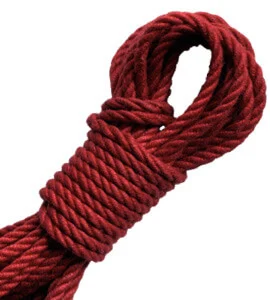
Hojojutsu was a military practiced martial art that gained popularity with samurai as techniques to restrain enemies. It was also used as a form of public punishment on law breakers and those who've upset the higher classes. Ties in hojojutsu emphasised torture and were curated to fit whatever offence is being served. Hojojutsu has been agreed to be the origins of kinbaku and shibari. It is still practiced during Japanese police training, less parading and public shaming though.
Moving onto the Edo period, we begin to see rope bondage as an erotic form being documented. Kabuki theatre began to use rope bondage in a stylized manner in the 20th century and boasted its popularity. Theatre emphasized the "beauty of torture" and is the most direct link to modern kinbaku today. Bondage magazines throughout the 1950's and it's accessibility boasted rope bondage into further mainstream. The term "shibari" came up in the West as a common way to talk about rope bondage art.
I am writing this after reading an, interesting book called "The Rope Artist" by Fuminori Nakamura (translated into English). I will admit, not my favourite book. However, Nakamura did research into the BDSM and rope scene and included some history of shibari. It's interesting that across cultures, military/police tools are commonly fetishized as a tool of control and power dynamics. That makes lots of sense, but please remember that a core part of kink and BDSM is consent! If you are interested in learning more about rope bondage, we have many books on where to start. We also have seminars that teach you the basics!
Come into the store to see our books and ropes, or check them out here! And check in every two weeks to see if we have any rope seminars listed! That's here!
Peace and love!